
RDF Solution
Turning Waste Into Sustainable Energy
At Lifeway Career Pvt. Ltd., we believe in transforming waste into a valuable resource. Refuse Derived Fuel (RDF) is an eco-friendly solution that converts non-recyclable waste materials into usable energy — reducing landfill burden and promoting a cleaner environment.
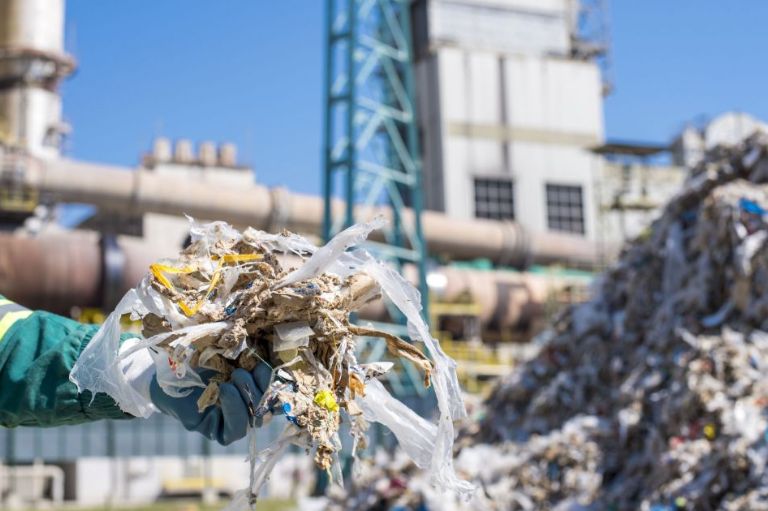
RDF is created from combustible components found in municipal solid waste (MSW) such as plastics, paper, textiles, and other organic materials. It serves as a substitute for traditional fossil fuels in industries like cement manufacturing, helping reduce carbon emissions and energy costs.
Our Process
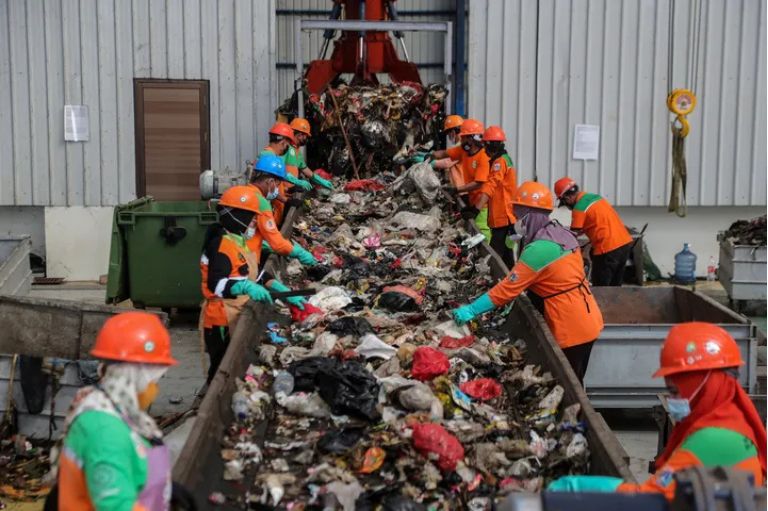
1. Waste Collection & Segregation
Sorting of municipal solid waste into recyclable and non-recyclable components.
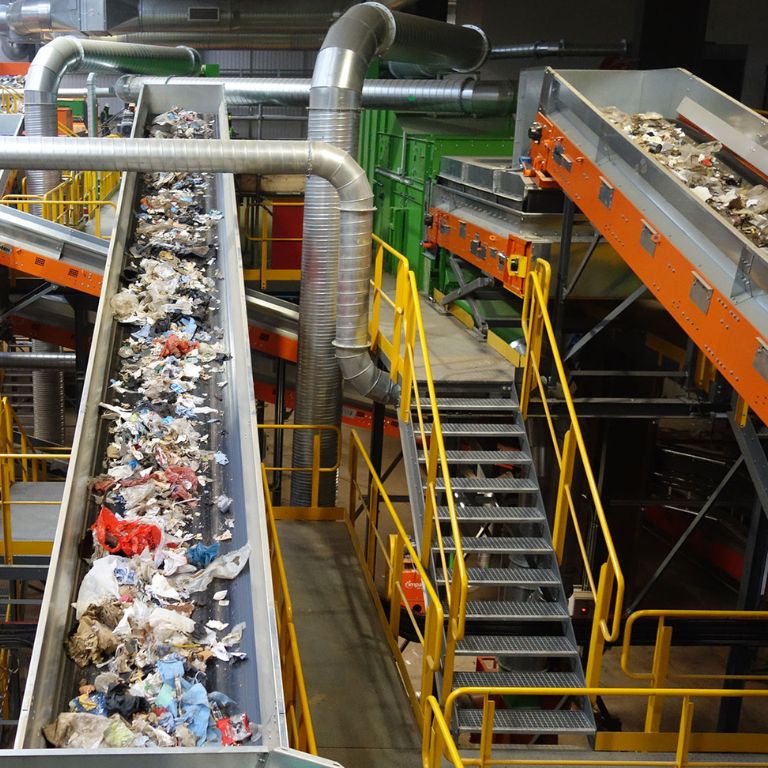
2. Pre-Processing & Shredding
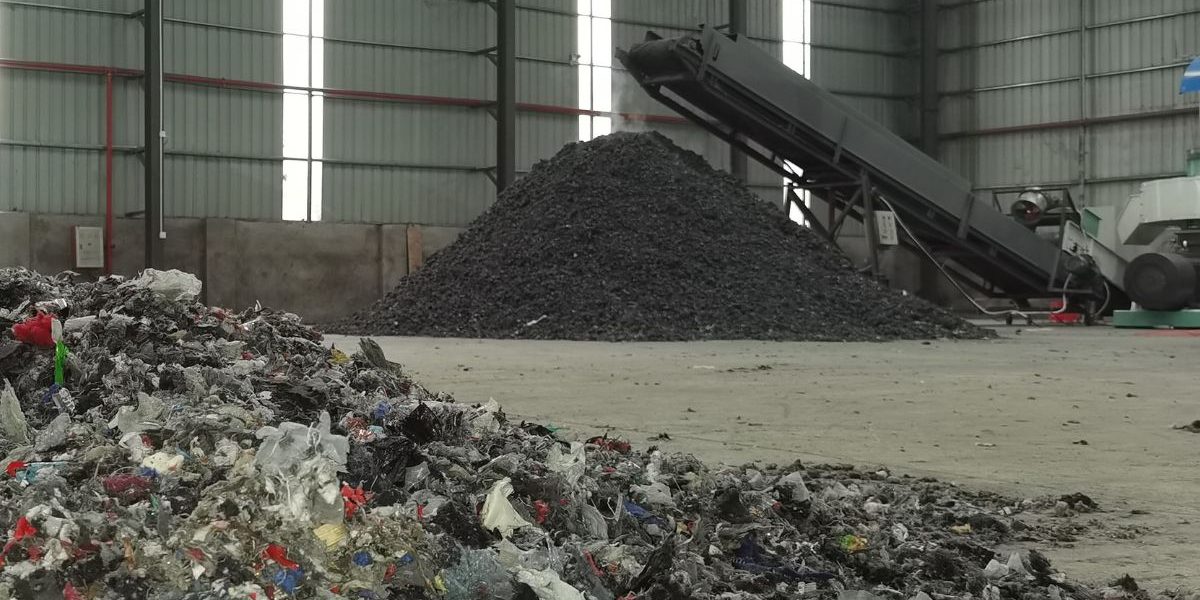
Non-recyclable waste is shredded into uniform sizes for fuel preparation.
3. Drying & Refinement
Moisture reduction and contaminant removal to enhance fuel quality.
4. RDF Formation & Packaging
Material is compressed into pellets or flakes for easy storage and transport.
5. Supply to Cement & Energy Plants
RDF is supplied to industrial plants to generate renewable energy.
What is RDF?
RDF represents the conversion of waste to wealth, where non-recyclable materials are processed into high-calorific fuel pellets or flakes. These fuels are then utilized to generate heat or electricity, supporting both sustainability and industrial energy needs.
By turning waste into energy, RDF not only minimizes landfill waste but also contributes to a circular economy, offering an innovative path towards a cleaner, greener future.
Why Choose Lifeway Career Pvt. Ltd.?
- Modern Infrastructure – Advanced Trommels, Separators & Shredders.
- Complete RDF Solutions – From segregation to supply.
- Timely Operations – Reliable fleet and delivery system.
- Trusted Partner – Working with top cement & energy plants.
- Eco Commitment – 100% compliant with SWM & CPHEEO norms.
Frequently Asked Questions(FAQs)
What is Refuse Derived Fuel (RDF)?
RDF is a renewable energy source made from non-recyclable waste that can be used to generate heat and electricity.
How does RDF help the environment?
It reduces landfill waste, minimizes carbon emissions, and replaces fossil fuels with sustainable alternatives.
Where is RDF commonly used?
RDF is primarily used in cement plants, waste-to-energy projects, and large industrial boilers.
Is RDF production eco-friendly?
Yes, RDF production follows strict environmental norms like SWM 2016 and helps achieve zero-waste goals.